Meals on Wheels
Hertfordshire,
Hertfordshire Independent Living Service (HILS) delivers hot meals to vulnerable residents across Hertfordshire and expanded into West Sussex and Hampshire in 2022–2023. This expansion prevented service interruption when previous providers exited these regions. HILS operates as a not-for-profit, supporting elderly and vulnerable people with nutritious meals and vital community services.
This case study highlights how Hertfordshire Independent Living Service (HILS) successfully expanded its Meals on Wheels operations into West Sussex and Hampshire by transitioning from van-based reheating to modern kitchen-based regeneration. The project delivered long-term operational benefits, including improved efficiency, standardised processes, and scalable infrastructure—ensuring uninterrupted service to vulnerable residents while supporting future growth.
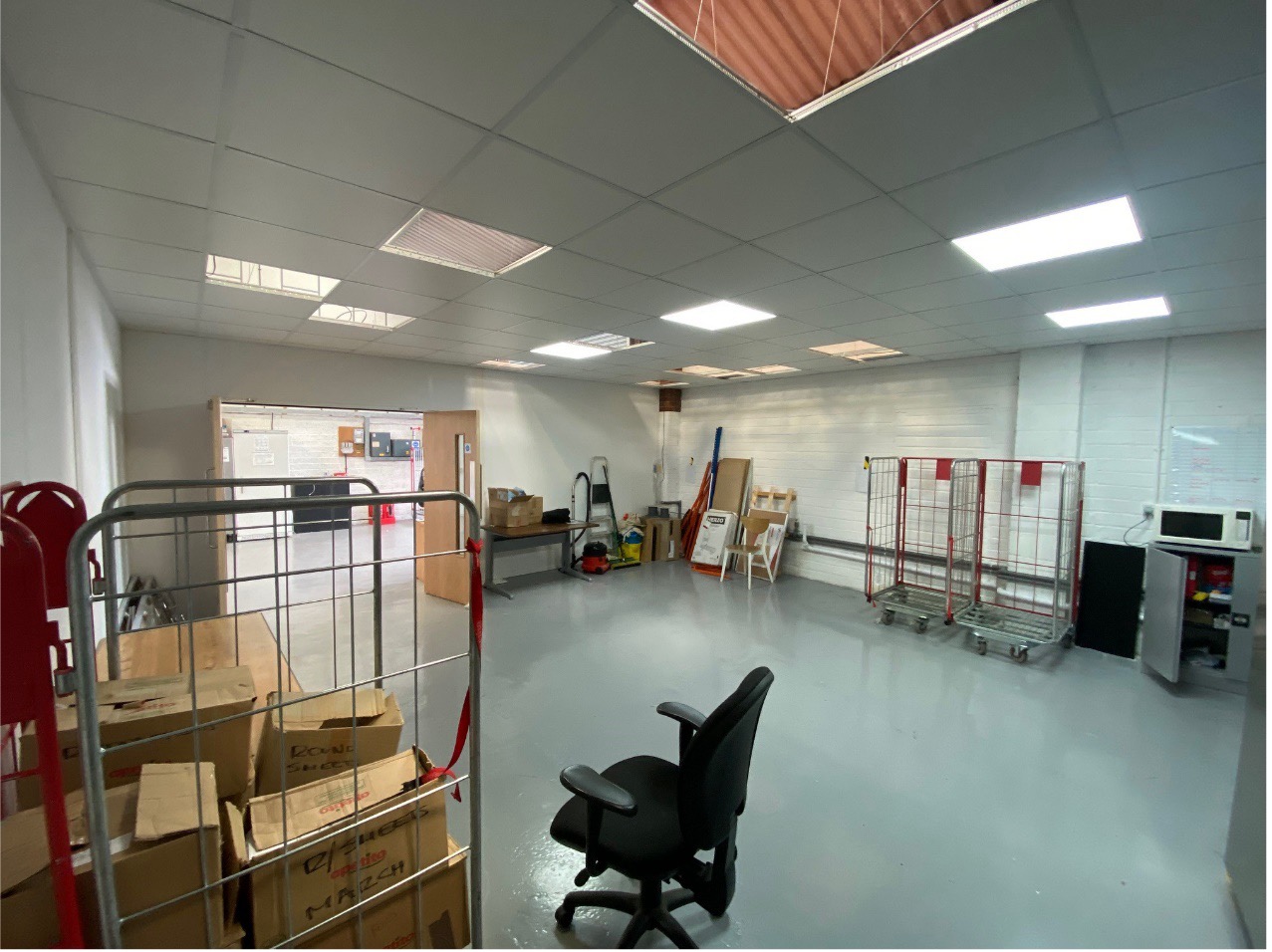
The West Sussex location at Ford Airfield consisted of a bare industrial shell with no existing kitchen, office space, or food service infrastructure. The team needed to create a full commercial kitchen and operational base from scratch.
The Ford site’s existing electrical capacity was insufficient for powering commercial catering equipment. HILS had to work with SSEN to assess and implement a full power upgrade to support ovens, hot holding units, and ventilation systems.
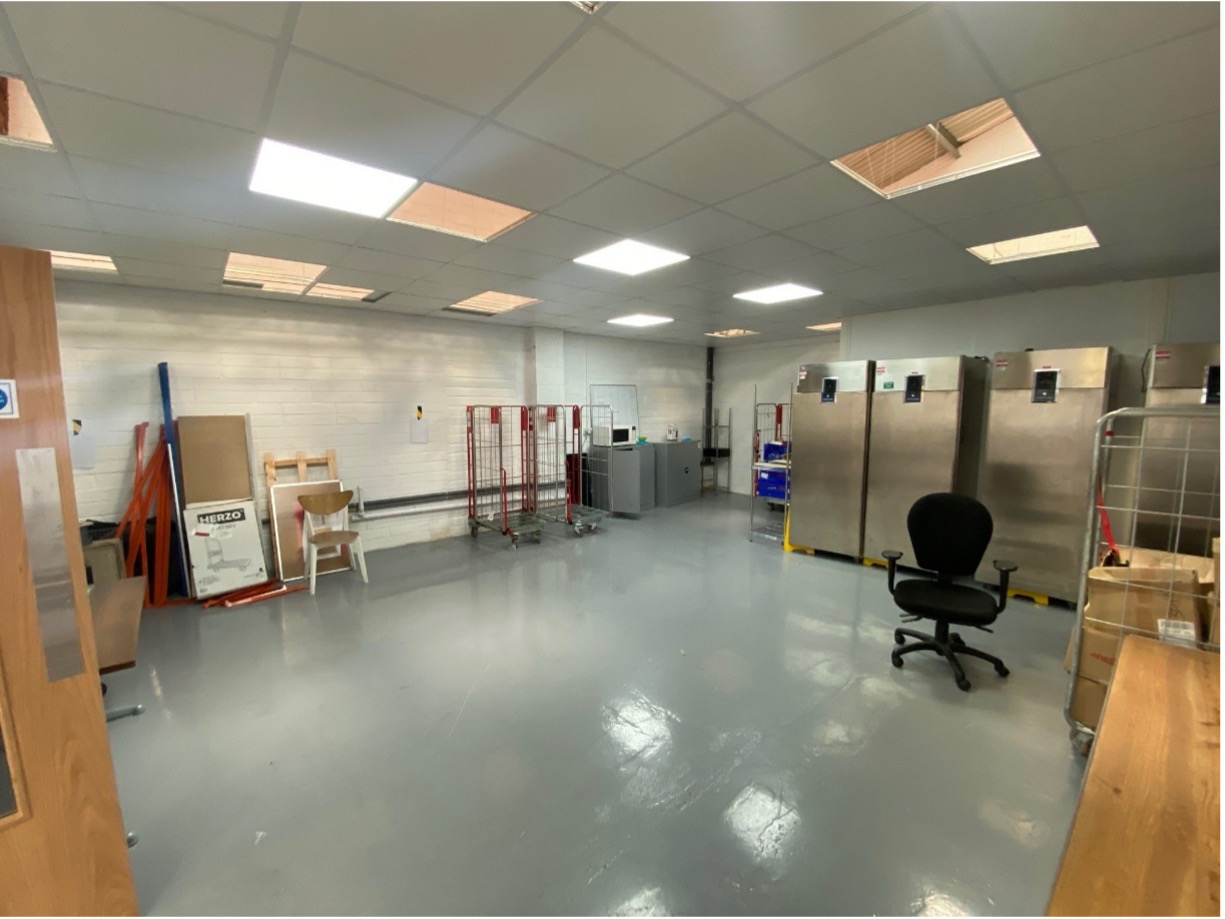
The Hampshire location (Itchen Abbas) had some infrastructure in place, including offices and a walk-in freezer, but the existing kitchen was too small to support the increased demand. HILS had to evaluate whether to extend the current kitchen or install a larger one elsewhere on the premises.
All equipment and kitchen designs had to be compatible with HILS’ commitment to healthy, grease-free meal preparation. This affected extraction requirements, eliminated the need for grease filtration, and informed the choice of ovens and kitchen layouts.
Transition away from van-based reheating to site-based kitchens for improved efficiency and sustainability.
Create consistent operations and improve meal quality across all sites.
Ensure new facilities can accommodate more ovens and staff as demand increases.
Maintain HILS’ no-oil, no-fat cooking model and align with health and safety regulations.
Maintain
Reduce installation complexity and operational costs through smarter equipment and layout planning.

To overcome these challenges and achieve their goals, HILS implemented a comprehensive solution designed to modernise operations while maintaining service continuity.
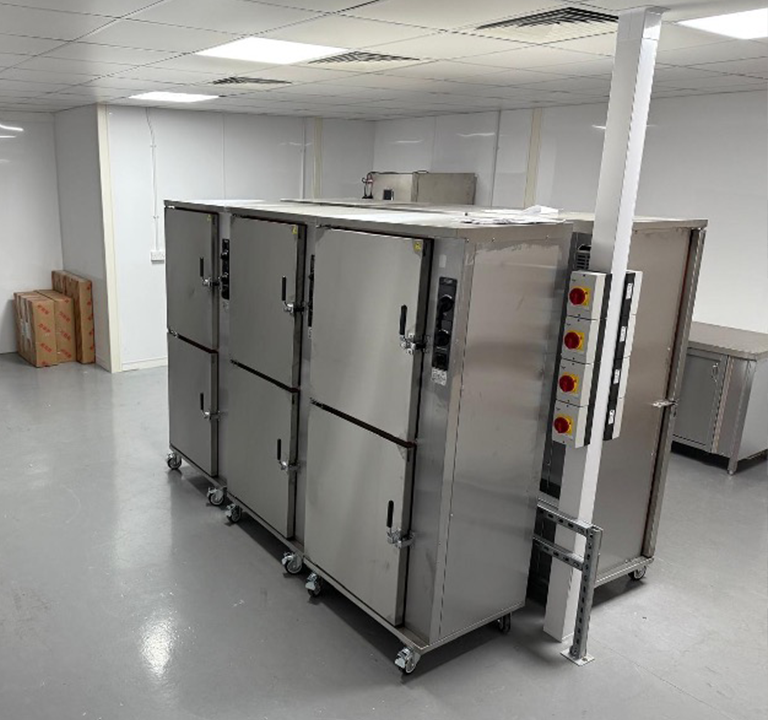
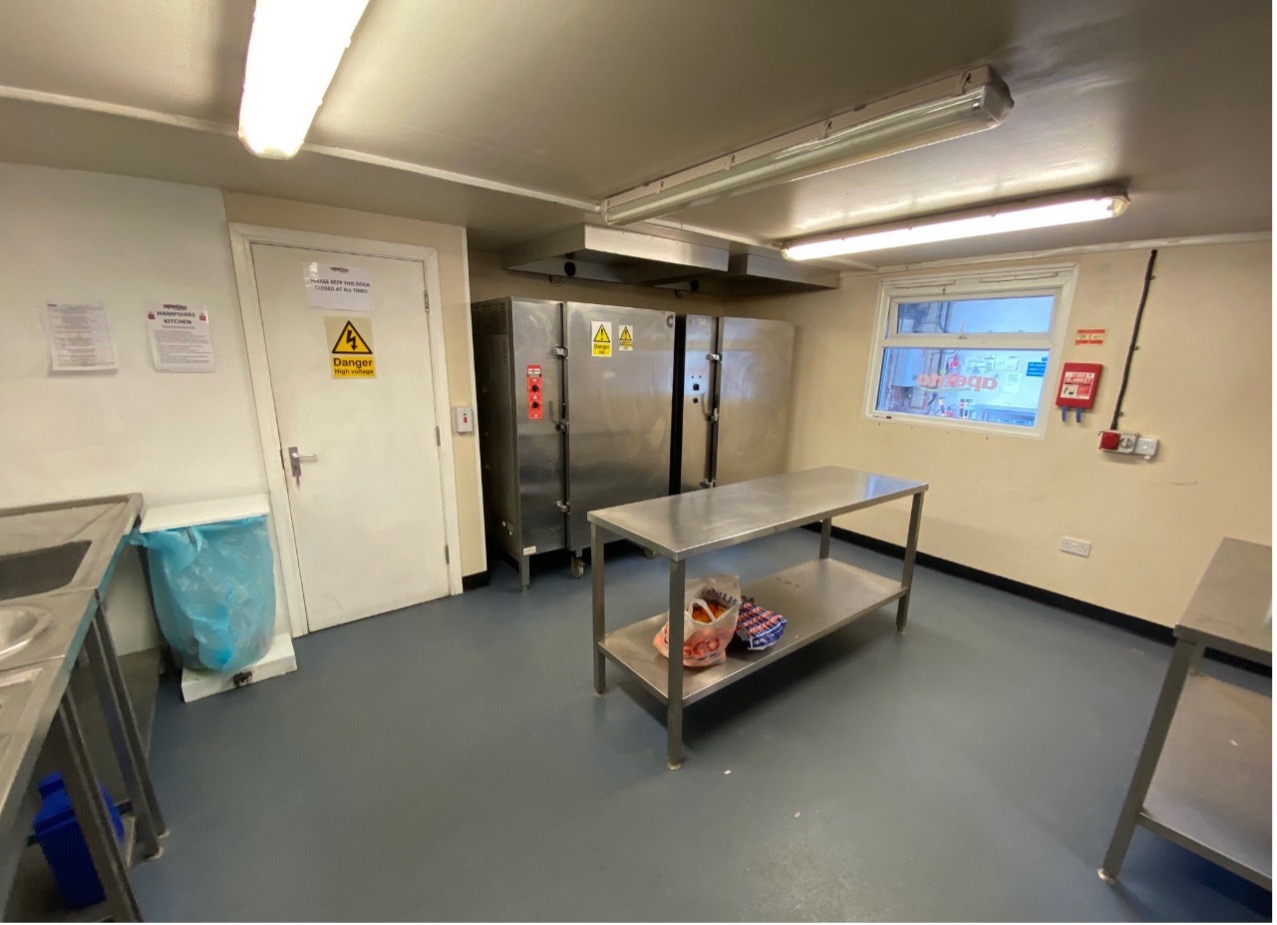
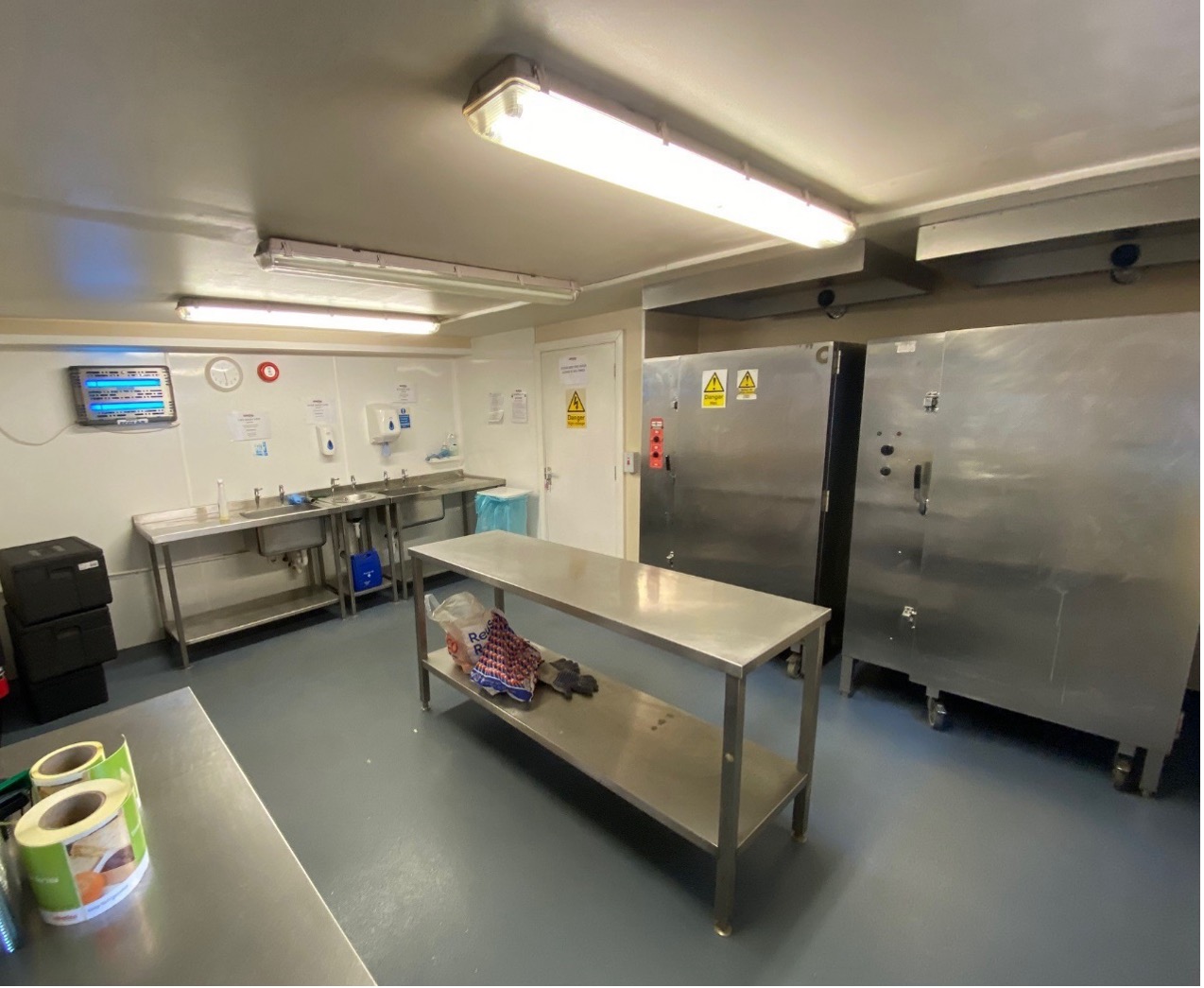
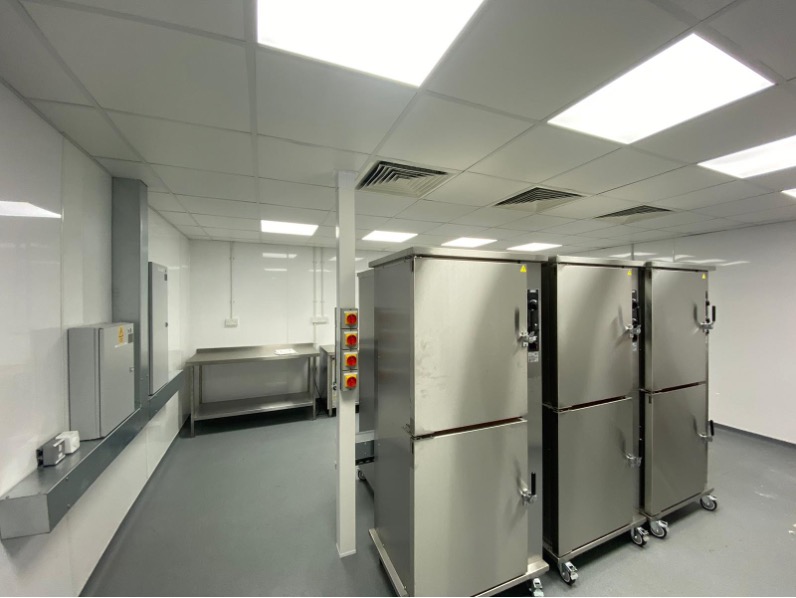
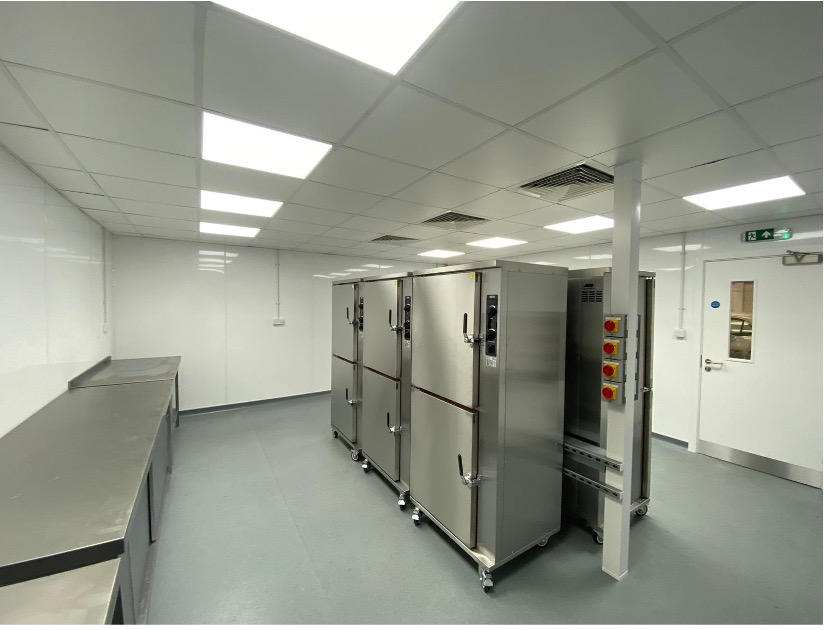
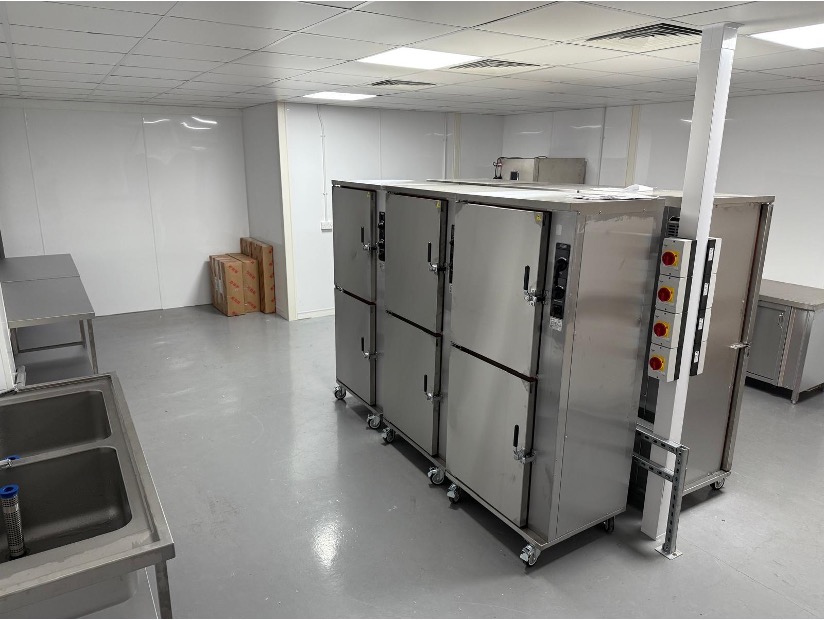
Installed across both sites to handle large volumes of frozen meals with consistent, efficient performance.
Added to ensure meals remain at safe temperatures, support staff hygiene, and maintain compliance with health standards.
Designed ventilation systems focused on heat extraction without grease filtration, thanks to HILS’ no-fat cooking model. Planned kitchen layouts for optimal workflow and future expansion.
Worked closely with building contractors for kitchen fit-outs and with SSEN to upgrade power capacity where required.
Designed facilities to accommodate additional ovens and increased meal production as demand grows.

Ensured continuity of hot meal delivery throughout the transition, with no interruption in service to vulnerable residents.
All sites now operate using a consistent, kitchen-based regeneration process, improving food quality, efficiency, and staff training.
Both locations were equipped with scalable kitchens designed to accommodate more ovens, increased output, and growing community needs.
The upgraded facilities give HILS full control over meal preparation, enhancing reliability, sustainability, and operational capacity across all regions.
The regeneration ovens transformed our ability to deliver hot meals reliably and at scale. It’s a model we trust, and bringing it to these new sites is key to the future of our service
This case study highlights how Marse turned spatial and ventilation constraints into an opportunity—building a unique, sustainable café in the heart of Winchester. With the right planning and partnerships, even the smallest kitchens can support big missions.
This case study highlights how Immaculate Conception Church in Southampton was able to overcome its kitchen challenges and enhance its ability to serve the community by refurbishing its facilities. The project has provided long-term benefits to the church, improving operational efficiency, safety, and capacity for growth, all while staying within a cost-effective budget.
This case study showcases how Plant successfully brought the warmth and spirit of The Yard to a historic Grade II listed building in Basingstoke. Through smart design, close collaboration, and efficient equipment choices, the team transformed a challenging space into a vibrant, community-focused café that honours both heritage and modern hospitality.
Contact
Hertfordshire Office:
01992355355
Unit 7 Business Centre West,
Avenue One,
Letchworth,
Hertfordshire,
SG6 2HB
admin@cateringequipmentsupport.co.uk
02380006082
Unit 12 Deer Park Farm Ind Est.
Fair Oak,
Eastleigh,
Hampshire,
SO507DZ

Commercial Electrical Support Ltd.
Installation and maintenance of commercial electrical systems, including lighting and power.

Commercial Environmental Services Ltd.
Commercial water services including legionella testing, water treatments and hygiene services.